

National Museum of Burkina Faso: A Treasure of Culture and History in Ouagadougou
Located in Ouagadougou on a 29-hectare site, the National Museum of Burkina Faso houses over 14,000 objects, from archaeological remains to traditional masks. Inaugurated in 2004, it is a must-visit to explore the country’s rich cultural and historical heritage.
Description
Founded in 1962 but remaining a project for decades, the National Museum of Burkina Faso saw its foundation stone laid on October 23, 2000, and was inaugurated on December 23, 2004. Nestled on 29 hectares at the end of Avenue Thomas Sankara, across from Charles De Gaulle Pediatric Hospital, it is now a major cultural landmark in Ouagadougou.
Since March 20, 2002, it has held the status of a Public Scientific, Cultural, and Technical Establishment (EPSCT), ensuring better management and preservation of its collections. In February 2020, filmmaker Apolline Traoré was appointed ambassador of the museum, boosting its visibility both nationally and internationally.
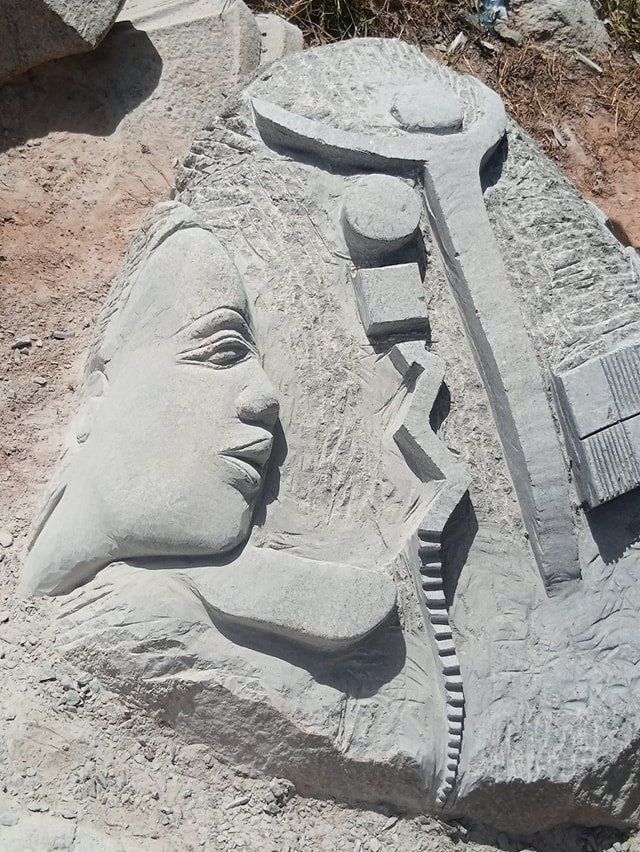
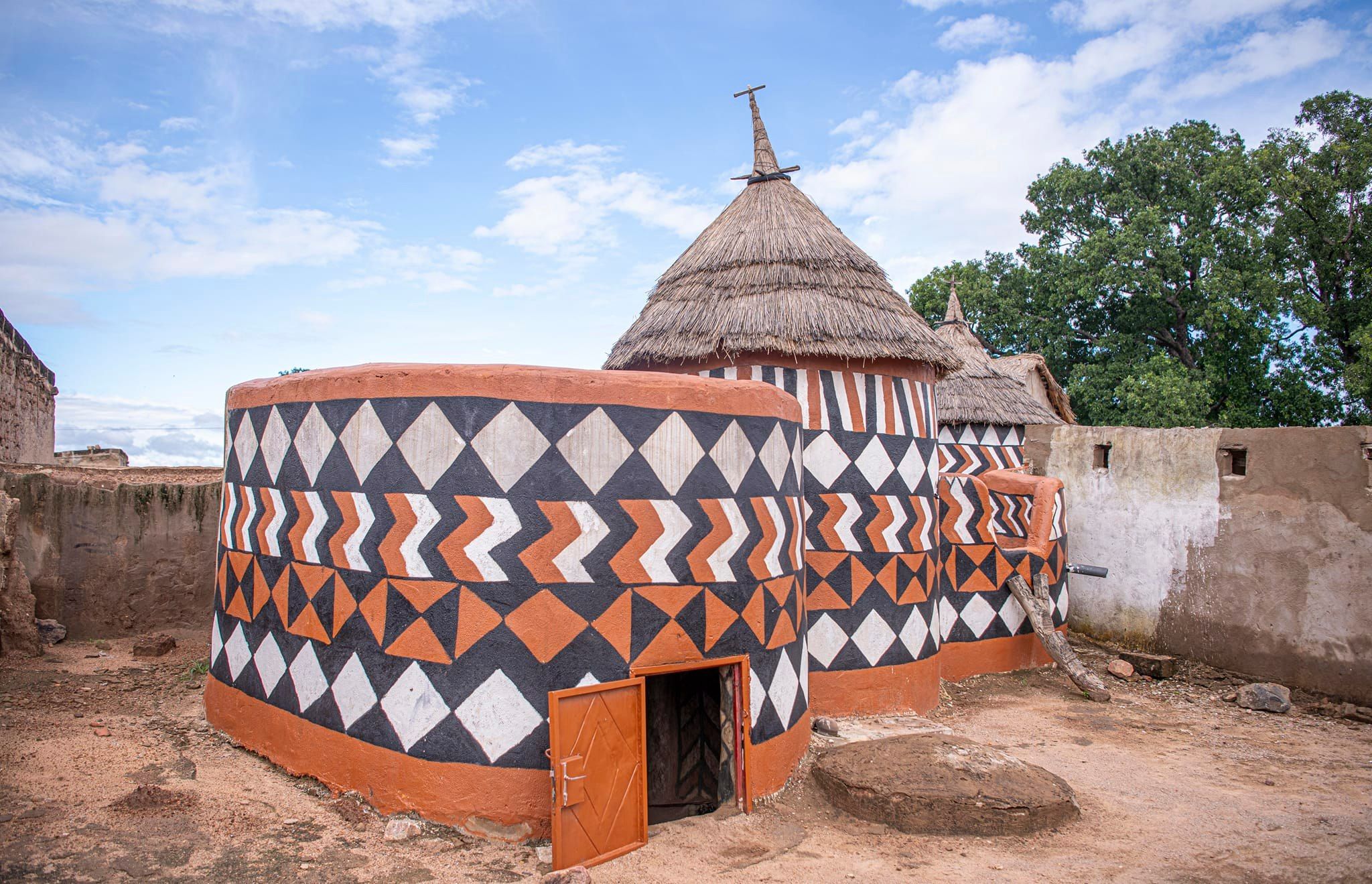
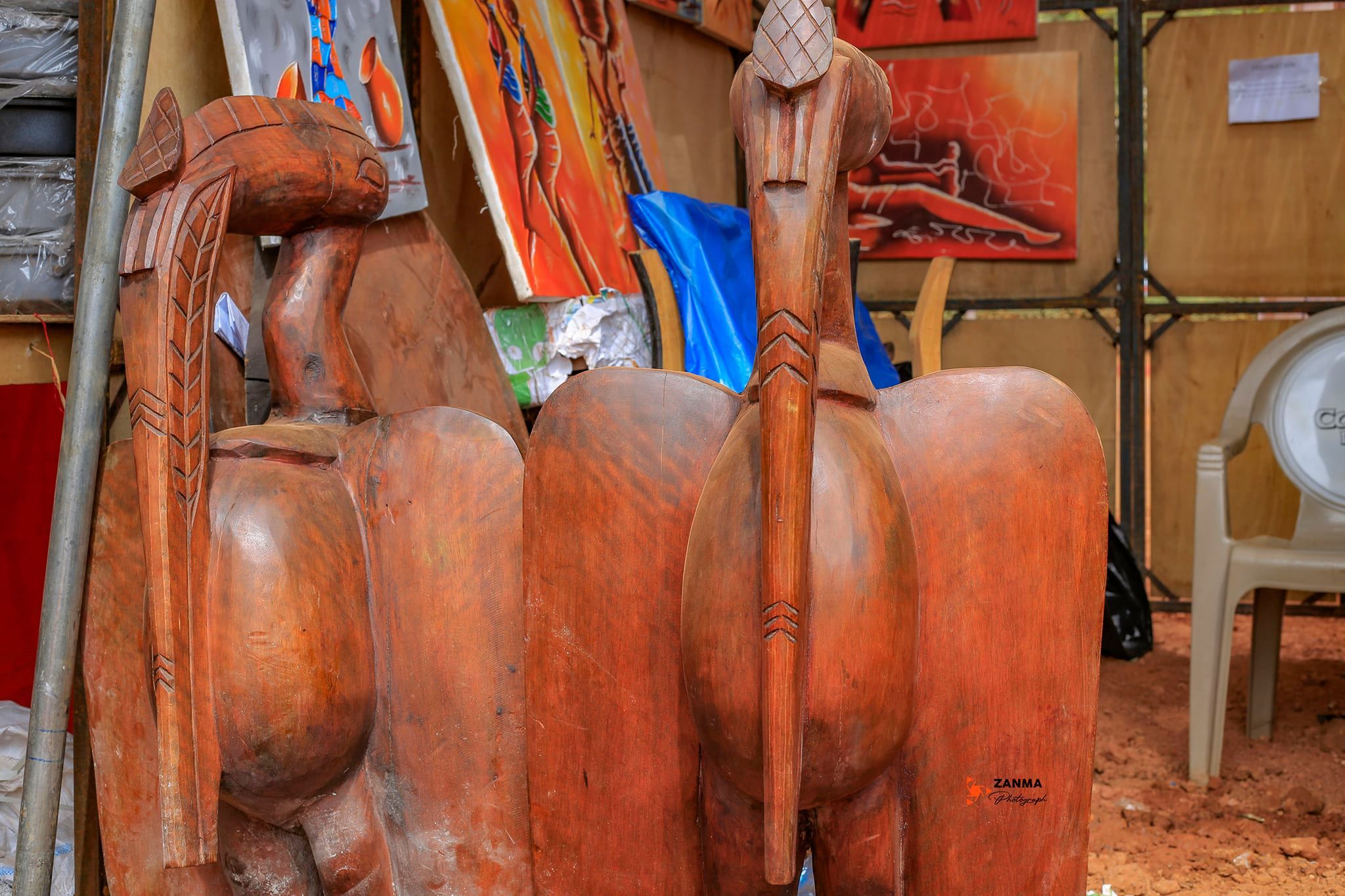
The museum’s holdings number around 14,000 pieces, including 12,271 catalogued items: archaeological remains, ancient jewelry, Bobo masks, Lobi and Senufo statues, musical instruments, traditional weapons, reconstructed dwellings, and farming tools. Together, these artifacts illustrate the cultural diversity, craftsmanship, and history of Burkina Faso’s many peoples.
A visit to the National Museum offers a journey deep into the traditions and history of the nation, set in a green and peaceful environment that inspires discovery and reflection on Burkinabè identity and heritage.
Site location
These properties may also be of interest to you
Travel
What to do in Ouagadougou on the weekend? A cultural & artistic discovery
What to do in Ouagadougou on the weekend? Between memorial sites, museums and live art, Burkina Faso’s capital offers a cultural journey into history and creativity.
Ecological tourism
Bala, Kingdom of Hippos: In the Heart of a Wild Paradise
Recognized as a UNESCO Biosphere Reserve since 1986, the Bala Hippo Pond is an ecological gem in the Hauts-Bassins. This Ramsar site, managed by local villagers, shelters hippos, rare birds, and lush wetlands, offering full immersion in Burkina Faso’s natural beauty.
Cultural tourism
Dafra and Its Sacred Catfish: An Ancestral Mystery in the Heart of Bobo-Dioulasso
Discover the sacred catfish pond of Dafra, an iconic site in Bobo-Dioulasso where giant fish and mysticism intertwine. A place of worship and legend, this sanctuary attracts visitors seeking blessings, respecting ancestral rituals full of tradition. A journey blending nature, faith, and mystery in Burkina Faso’s economic capital.
Cultural tourism
The Diébougou Military Cave: Dive into a Unique Historical Bunker
Discover the Diébougou Military Cave, nicknamed "Guerre Dinguê," a bunker dug between 1900 and 1914 by colonial soldiers to protect themselves from the feared Lobi warriors. Nestled under a wooded hill, this man-made cave is now a historical site open to the public, bearing witness to a fascinating military past.
Cultural events
Les Récréâtrales: The Beating Heart of Pan-African Theater in Ouagadougou
Since 2002, Récréâtrales has transformed Ouagadougou into a vibrant meeting place for African theater. Founded by Burkinabè theater visionary Étienne Minoungou, this festival offers playwrights, directors, and scenographers from across the continent the time and space to collaborate, innovate, and create powerful stage works rooted in Africa’s rich cultural narratives.
Safari
The Campement du Buffle Rouge: Safari & Escape in the Heart of Nature
Just 5 km from the Benin border, the Campement du Buffle Rouge offers unforgettable safaris along the Pendjari River. In a lush green setting, enjoy a stay combining nature, comfort, and refined cuisine. Sport hunting and total relaxation await!